The Bond Between My Elderly Father and Animals
The Mental and Physical Health Benefits of Living with Animals, and Social Challenges
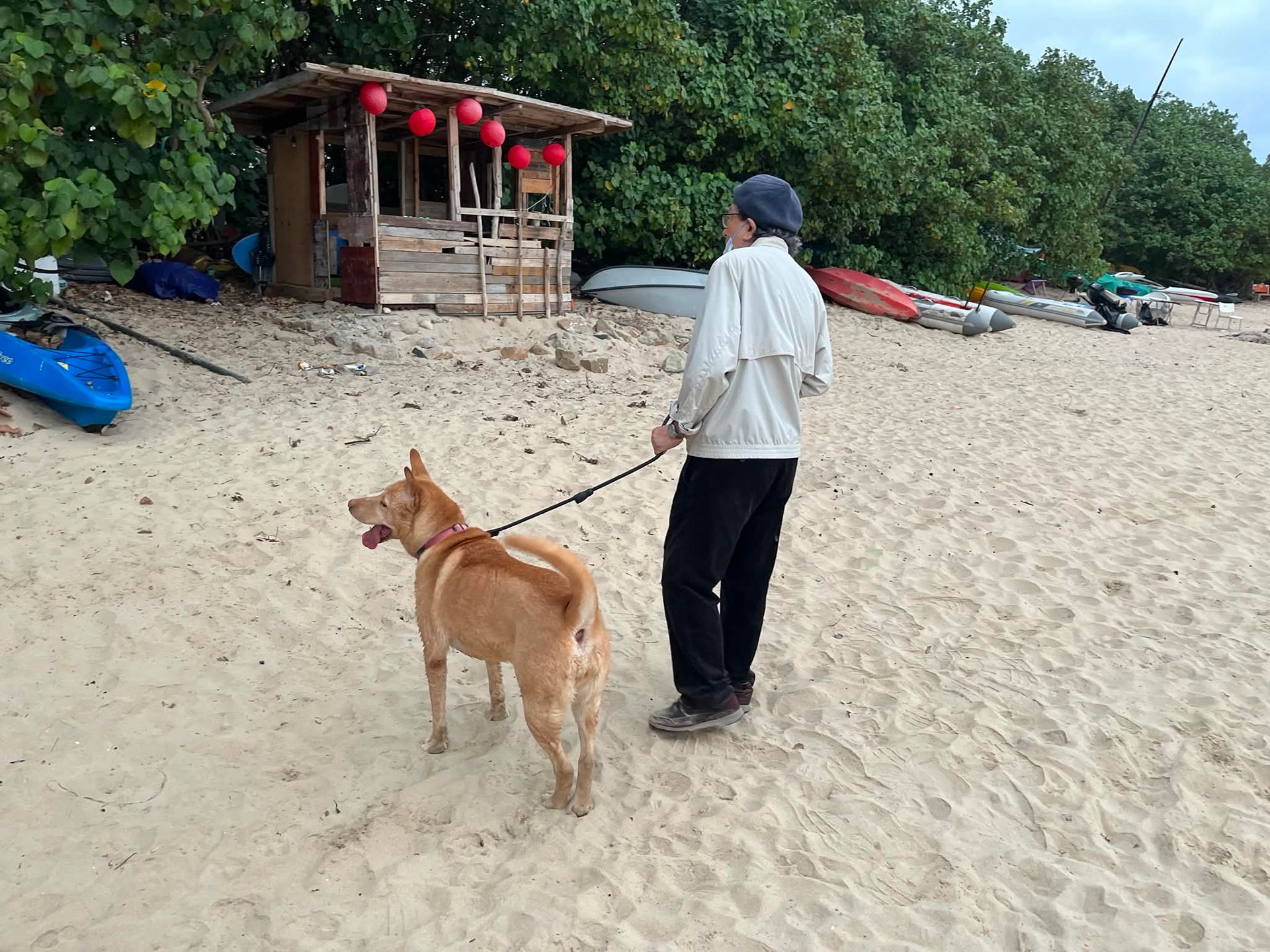
About a month ago, my elderly father, who lived with me in this "beast house," passed away suddenly. He used to tell a story from when he was around fifteen years old. He had walked over to play with a neighborhood cat, and near where the cat was, there was a person coughing terribly. He found out later that the person had tuberculosis. As a result, my father caught the disease, and given the medical technology of the time, the only option was to collapse one of his lungs. He spent nearly five years of his youth hospitalized and survived the rest of his life with just a single lung. Ever since I was a child, I lived with small animals, including dogs and cats. My father was the one who would get them for me, either as gifts or by buying them.
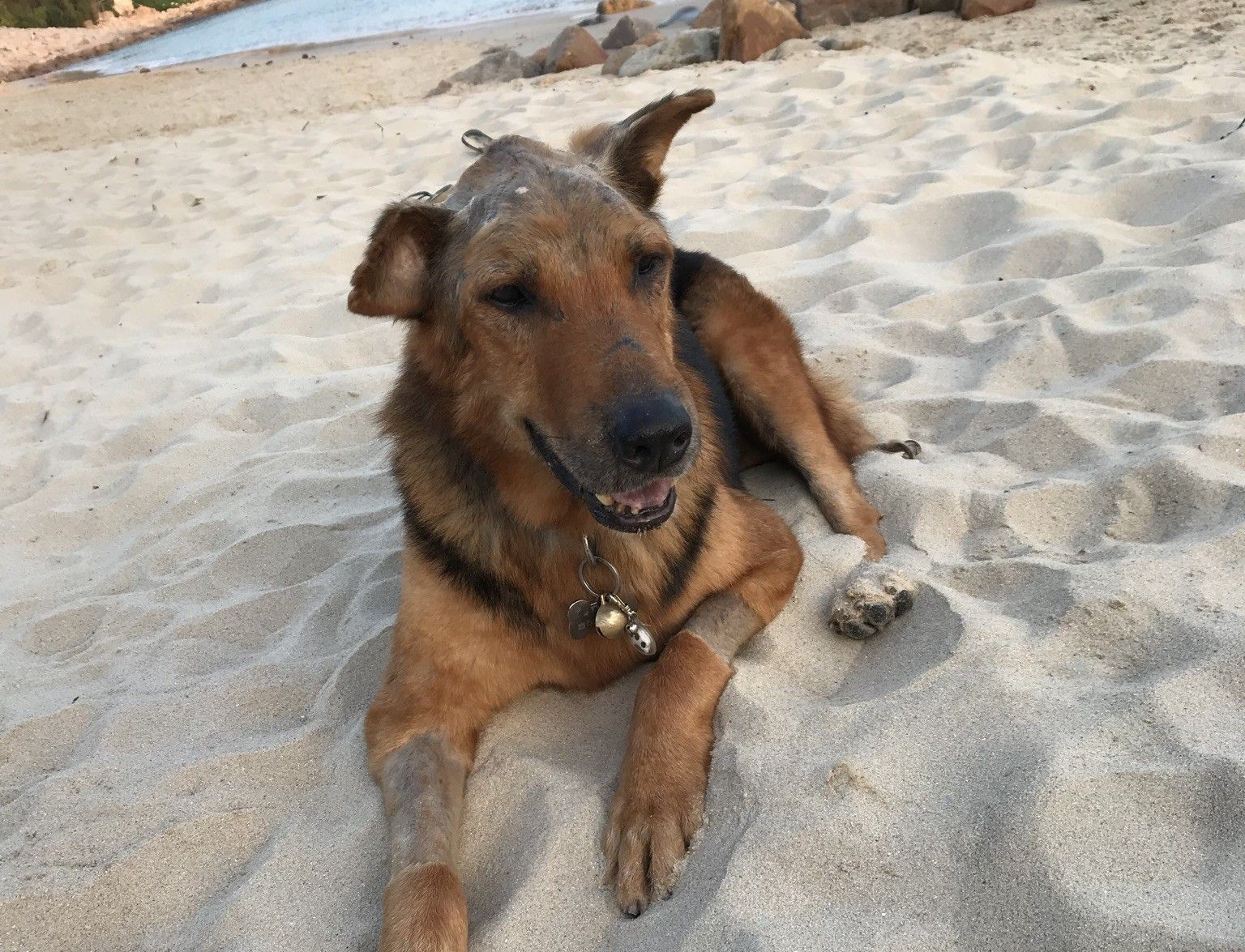
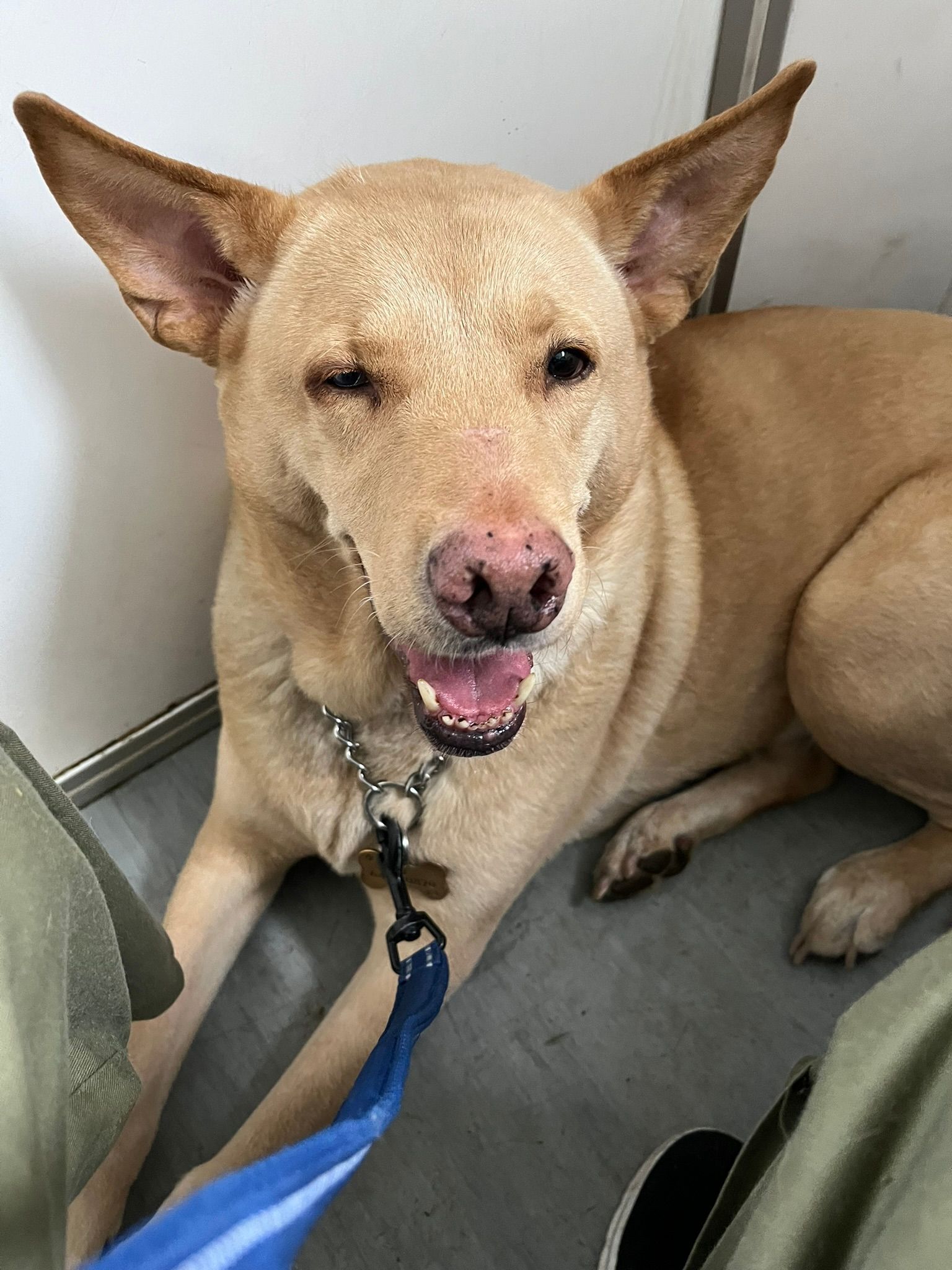
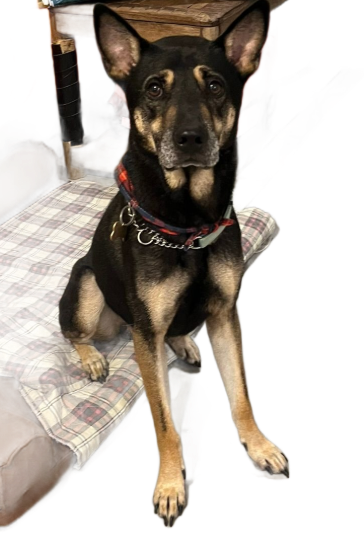
For the past fourteen years, my father lived with me in Hong Kong. However, because his lungs were weak, he was constantly in and out of the hospital. He didn't have friends or family members he kept in touch with. It was a lonely life, but he got along wonderfully with our dogs. He especially doted on Ume, from the time Ume was about seven months old and had just been neutered. He loved him so much it hurt.
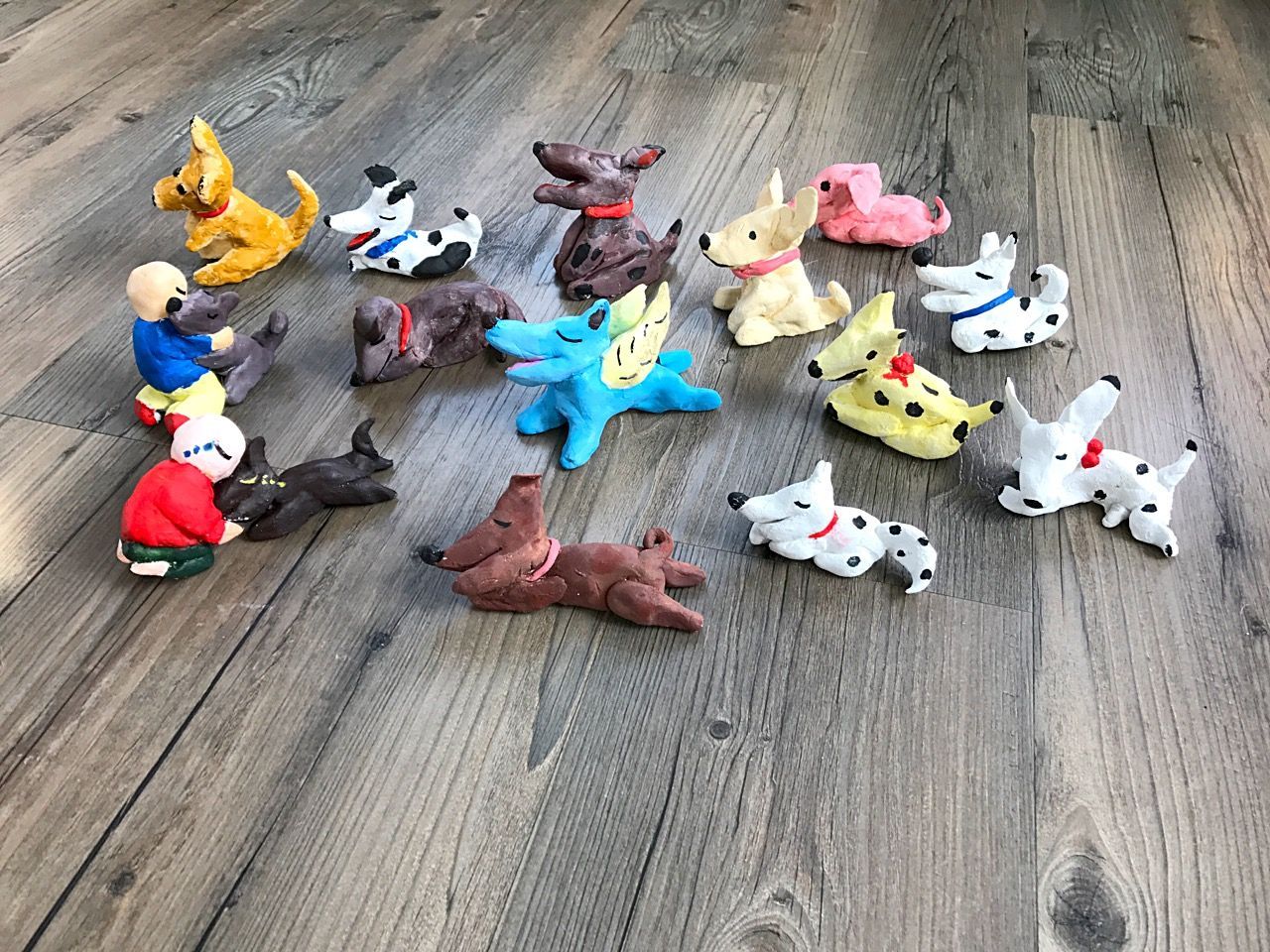
"Ume looks hot, so I’m turning on the air conditioner. Ume looks cold, so I’m putting a blanket on him. Ume must be hot after his walk, so I’ll put ice in his water." He pampered Ume like this, completely disregarding his own health. We have many other rescue dogs and cats in our home, so I used to get into huge fights with my father for playing favorites with Ume. At our peak, we had thirteen dogs that ate treats.
To make sure he didn't forget the order of who got what, my father wrote the dogs' names down and taped them to the shelf. This was because I had told him over and over that animals know when they’re getting fewer treats than the others. Two years ago, Ume developed glaucoma. Despite our best efforts to treat it, he eventually went completely blind. At that time, my father, who wasn't very good with computers, desperately searched the internet to study the disease.
At night, Ume—who was now totally blind from glaucoma—would sleep under my father’s bed, while Misha and Noel, two medium-sized dogs, slept on more than half of my father’s bed with him. Because my father used an oxygen concentrator 24 hours a day, heat would build up in the room. So, he would cause all sorts of complications, saying things like, "Turn on the AC because the dogs are hot," or "I don't want to use the oxygen machine while I sleep because it's too loud for the dogs."
Whenever my father was hospitalized, he would talk to Ume over the mobile phone. And when he was discharged, the dogs would cause an absolute uproar, welcoming him home as if he were a celebrity.
When it came to keeping my frail father active, I used Ume as motivation. If I said, "You want to keep going on daily walks with Ume, don't you? If you're gone, Ume will be so miserable," he would push himself to move.
A wealth of data has been published worldwide showing how living with animals improves the mental health of the elderly. Even without communicating through human words, the warmth of their bodies, making eye contact, and connecting through pure, unquestioning love becomes an irreplaceable source of life—not just for the elderly, but for anyone who lives with animals. I truly believe middle-aged and elderly people should actively welcome animals into their homes. Caring for a life other than your own connects directly to your own mental and physical health. However, it is not always that simple.
While I haven't researched the exact statistics, I imagine there are many households where elderly people live alone with their pets. Their biggest worry is who will take in their animal family members after they die. In fact, we have a rescue dog living in our house right now whose only two options after their elderly owner passed away were euthanasia or being abandoned in the wild. Even at a veterinary hospital run by an acquaintance of mine in Japan, the owner has personally taken in several cats and dogs after patients they used to bring in passed away.
Even if they don't pass away, many people are forced to give up the animals they have lived with when they grow old and have to enter a nursing home. Even if they are lucky enough to be taken in by a shelter, the older a dog or cat gets, the closer their chances of finding a new home drop to zero. Apparently, there are a few nursing homes in Japan where people can live with their pets, but they face challenges regarding the size and number of animals, as well as the costs and care for serious illnesses that come with aging, just like humans. That is why the number of senior facilities that accept animals isn't growing.
So, how can we increase the number of these facilities? It requires funding, manpower, and an understanding of animal welfare, including animal psychology.
We humans exploit the lives of animals and strip away nature. How can human hearts be changed? The number of animals bred for human desire and then abandoned never seems to decrease. Dogs are used under the guise of "security," barely given food, kept alive in miserable conditions, and then discarded once the project ends. Cats are bought by restaurants just to reduce the mouse population. Animals are abandoned in massive numbers, and after being cast out, they give birth to puppies and kittens, surviving in the wild until, if they are lucky, they are taken in by rescue groups or individuals. Unless this environment changes, the number of animals with nowhere to go will never decrease. Then again, there are already countless helpless humans in the world, including children, who have nowhere to go.
In our home, the members of our family change as they pass away, but at our peak, we had 17 dogs and cats living with us. My elderly father used to say to me, "Why do you keep bringing rescued animals home? People are just taking advantage of you. Don't you think it's unfair to the dogs and cats we already have to bring in new ones?" I can't count how many times I heard those words.
But I would tell him, "I bring them here because they have nowhere else to go. This isn't a place meant to protect just a single animal, and I have no intention of changing my mind."
Even if you set up a foundation, almost no one contributes to individuals. That’s why I have no choice but to generate the operating funds myself. Watching me do this, my father was likely worried about me. However, perhaps because he got used to our way of life as we managed to scrape by, he eventually accepted everything. Occasionally, when there was a story about animal abuse in the online news, he would talk to me about how unbelievable some humans could be.
My father is no longer here. Even without words, the animals probably know he isn't coming back, drawing from their past experiences of seeing their fellow dog and cat companions pass away. If they could speak human words, I wonder what they would say. My father died so suddenly. He passed away just 12 hours after being admitted to the hospital. Before getting into the ambulance, he gave the dogs their treats just like always, patted their heads, and left the house saying, "I'll be back."
I truly believe that it was precisely because the animals gave him such unconditional love that he was able to live to such an old age with only one lung.